Navy Yard
Loft Space.
Tell us once what you're after — including the floors that never hit the listing sites. A person reads it. That's the whole thing.
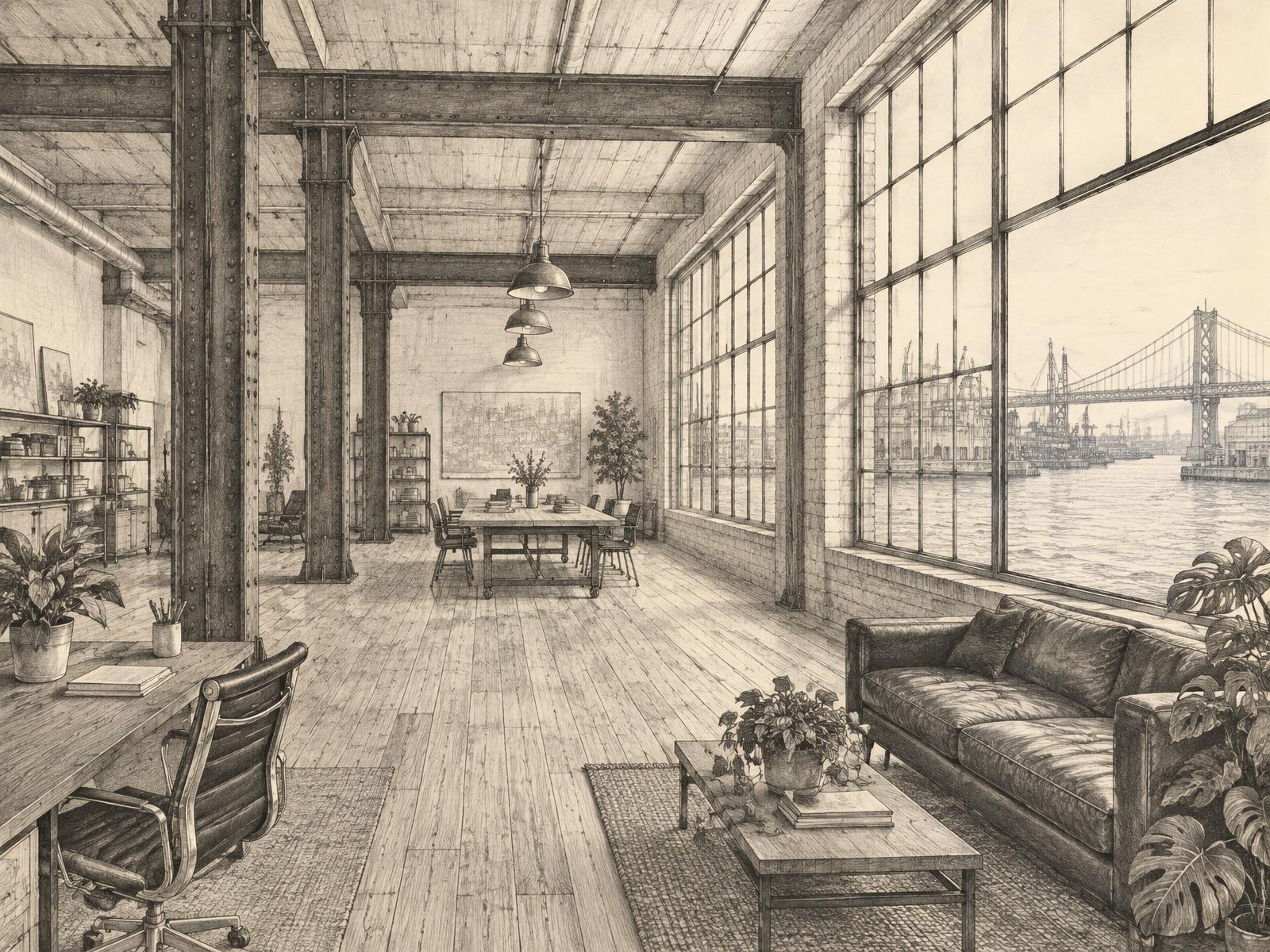
Seven questions.
That's the whole thing.
Under two minutes. No account, no login. A person reads every one.
How much room do you need?
The search area wraps around the Brooklyn Navy Yard: Wallabout and the Flushing Avenue corridor, Vinegar Hill's small waterfront streets, the Park Avenue blocks beneath the expressway, and the north edges of Fort Greene and Clinton Hill. The Yard itself is a city-owned industrial park run by its own management organization. Creative Office Lofts is independent of that organization and is not affiliated with or endorsed by it. We search independent buildings around the Yard; space inside the Yard is leased through its own process.
Subway, ferry and bus — with a walk on many blocks.
The F, A, C and G serve different approaches, the ferry lands at the Yard, and five bus routes cross the wider area. Much of the district is a walk from the subway, so test the last mile from the exact building at commuting time.
- York St
The closest subway for many Vinegar Hill addresses and the western side of the search area. From blocks farther east, the walk can be substantial.
- High St
- Clinton–Washington Avs
High Street serves the western approach; Clinton–Washington Avs serves the Clinton Hill side. Check the actual walk from the building rather than choosing by neighborhood name.
- Clinton–Washington Avs
Useful for travel through Brooklyn and Queens. The G station is separate from the A/C station of the same name, so plan the walking connection.
- Brooklyn Navy Yard landing
A waterfront option with its own landing and access arrangements. Confirm the current route, schedule and last-mile walk before making it part of a commute.
- Flushing Av
- Park Av
- Sands St
- Navy St
These routes connect the surrounding corridors with Downtown Brooklyn, Fort Greene, Clinton Hill and nearby neighborhoods. Stops and routes vary by block; check the current map for the address you tour.
Worth knowing on a tour: York St, High St and the two Clinton–Washington Avs stations serve different approaches, and the G station is separate from the A/C station of the same name. Check the walking route rather than the station name alone.
Shipbuilding shaped the floors. New work fills them.
1801 → today
A naval shipyard on Wallabout Bay
The federal government establishes a naval shipyard on the sheltered Brooklyn waterfront. Shipbuilding and repair shape the surrounding district, drawing workshops, suppliers and housing toward Wallabout Bay.
A waterfront built for work
As the Yard grows, the nearby streets fill with industrial and residential buildings serving a working waterfront. Vinegar Hill retains small-scale historic streets, while larger structures gather along the industrial corridors.
Heavy construction, large floors
Industrial construction around the Yard favors steel, concrete and masonry frames, tall industrial windows, strong floors and room for moving goods. That building logic still distinguishes many independent properties around the perimeter.
Wartime shipbuilding
The Yard becomes a center of wartime naval construction and repair. Its influence extends through nearby factories, warehouses and working streets, reinforcing the area's industrial scale and infrastructure.
Naval operations end
The naval shipyard closes in the 1960s. The waterfront property passes out of federal naval use and into city ownership, beginning a long transition toward a new industrial role.
Industrial reuse
Manufacturing and warehousing continue in and around the former shipyard as the city and private owners adapt older properties. The elevated roadways and working corridors remain defining parts of the landscape.
Production meets design
Older industrial floors attract a widening mix of fabrication, design, studio and production users. Around the perimeter, each independent building adapts differently, so condition and legal use need to be checked space by space.
A mixed industrial district
Manufacturing, design, film and media, technology and applied production share the broader area. The Yard operates as a city-owned industrial park through its own management and leasing process; the surrounding independent buildings form a separate search market.
Who you'd be sharing the block with.
- Workshops and small manufacturers
- Fabrication and assembly floors
- Building and production trades
- Storage and distribution uses
- Design studios and project teams
- Architecture and interiors practices
- Prototype and model-making space
- Independent creative workspaces
- Production and post-production teams
- Photography and content studios
- Set, prop and event fabrication
- Media and audio workspaces
- Hardware and engineering teams
- Applied research and testing
- Technology companies with workshop needs
- Hybrid office and production users
- Wallabout Bay waterfront
- Vinegar Hill's historic blocks
- The Flushing Avenue corridor
- Park Avenue beneath the expressway
- North Fort Greene
- North Clinton Hill
- Residential and cultural side streets
- Connections toward Downtown Brooklyn
Why bother
The best floors are gone before they're listed. Character space moves through people, not portals — so we do it the other way around. You tell us what you'd love. We keep an eye out.
You told us what you need. That's where it ends.
No newsletter, no CRM queue, no "just checking in." A person reads your brief and reaches out directly when a floor's worth showing you.
- 01
We never sell, share or rent your brief — not to landlords, not to other brokers, not to a data company.
- 02
No newsletters or mass blasts. When we get in touch, it's a direct email or text about a specific space.
- 03
A person reads it. Not a bot, not a queue in some CRM.
- 04
Tell us to stop and we stop. Simple as that.
The Definitive Guide to Navy Yard Loft Offices
Heavy industrial floors around the Yard, Vinegar Hill's historic streets, the Flushing and Park Avenue corridors, and what to check before you lease.
Navy Yard not quite it?
We work the surrounding neighborhoods too. Mention it in the brief.
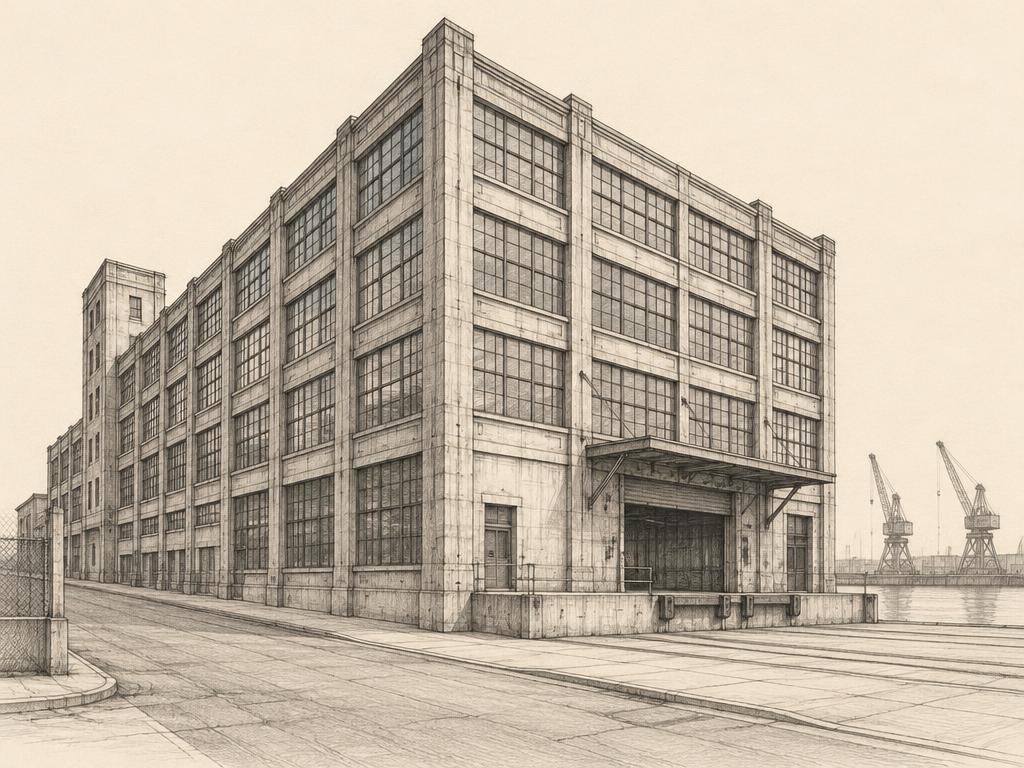
Independent industrial buildings around the Yard's perimeter, with heavy frames, broad plates and freight-oriented space. The Yard is the landmark and anchor, not our building or leasing portfolio.
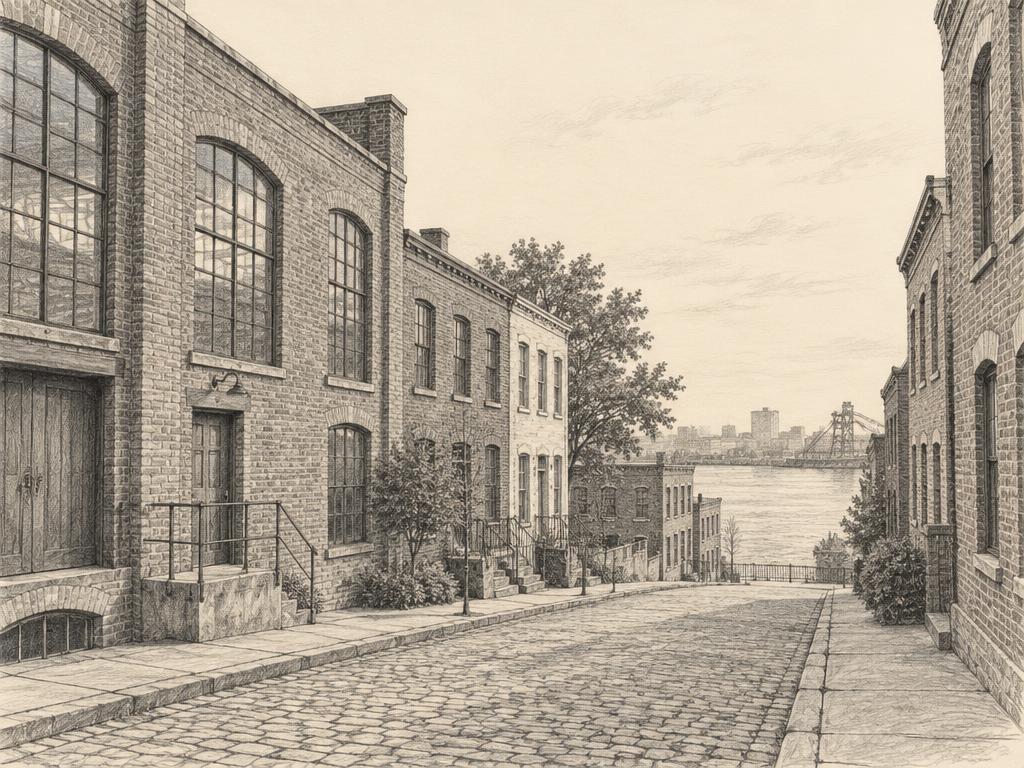
Small historic streets between the waterfront and the approach to DUMBO. Older brick buildings and compact floors call for close attention to access, light and permitted use.
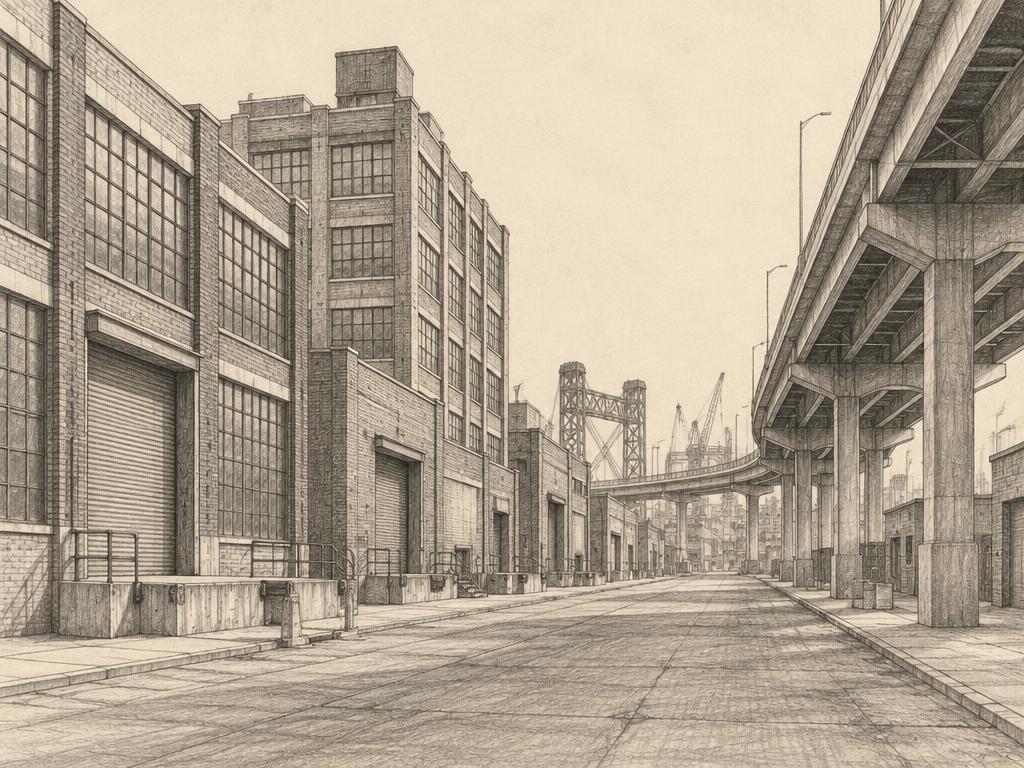
A working corridor of warehouses, production buildings and mixed-use edges. Nearby Park Avenue adds blocks beneath the expressway, where access and street conditions vary sharply.
What people ask before they take a loft in Navy Yard.
01What counts as a creative office loft near the Navy Yard?
02How much does Navy Yard loft space cost?
03Can I find a small studio or a large floor?
04How do I get to the Navy Yard area?
05Can I combine office, studio and light production?
06Does Creative Office Lofts lease space inside the Brooklyn Navy Yard?
07What makes the industrial building stock useful?
08What is different about Vinegar Hill?
09What should I know about Flushing and Park Avenues?
10Do independent spaces ever lease before they are widely listed?
Got one we didn't cover? Put it in the brief above.
The words that decide what you're signing.
Every term that turns up on a tour, in a floor plan or in a lease — what it means, why it costs you, and how it behaves in this neighborhood specifically.
- Floor load
The weight a floor is designed to support, usually expressed per unit of area.
Why it mattersDense storage, machinery and some production equipment may require more capacity than an ordinary office floor provides.
In Navy YardThe Navy Yard area's industrial history makes stronger floors plausible, not automatic. Obtain building-specific structural information and have an engineer evaluate the actual equipment and layout.
- Clear-to-deck
The height from the finished floor to the underside of the structure above.
Why it mattersDucts, sprinklers, lights and beams can reduce the usable clearance below the headline ceiling height.
In Navy YardHeavy industrial floors around the Yard may look exceptionally open, but measure the lowest obstruction where your equipment, storage or studio setup will go.
- Loss factor
The difference between rentable square footage, on which rent is calculated, and the smaller usable area inside the space.
Why it mattersTwo spaces with the same quoted area can provide very different room for desks, equipment or production.
In Navy YardAsk every independent owner for both rentable and usable figures and the measurement method. Compare Navy Yard options on the space you can actually occupy.
- Freight elevator
An elevator intended to move goods and equipment as well as passengers, where permitted.
Why it mattersDoor size, cab dimensions, weight rating, operating hours and reservation rules all affect whether it works for your operation.
In Navy YardFreight is part of the appeal of industrial buildings near Flushing Avenue and the Yard. Inspect the entire route from truck to floor; an elevator alone does not solve loading.
- Certificate of occupancy
The city document describing a building's legal occupancy and permitted uses.
Why it mattersA previous tenant's setup does not establish that your office, studio or production use is permitted.
In Navy YardCheck it before planning a conversion in an older industrial or mixed-use building. An architect or attorney should review your intended use against the actual documents.
- Build-out
The work required to make a raw or previously used space suitable for the next tenant.
Why it mattersElectrical service, HVAC, plumbing, fire protection, accessibility and finishes can change the real cost of occupancy.
In Navy YardIndustrial space around the Yard may offer excellent bones but need substantial office infrastructure. Establish who designs, approves, performs and pays for the work before comparing rents.
- As-is condition
An offering where the tenant accepts the existing physical condition with limited landlord work, subject to the negotiated lease.
Why it mattersA lower asking rent can be offset by repairs, code work, cleaning and new systems.
In Navy YardWalk the floor with qualified professionals when a Navy Yard area space is offered as-is, and turn the observed condition into a specific scope and budget.
- Loading
The physical process and facilities for receiving and sending goods at a building.
Why it mattersA loading door is useful only if vehicles can approach it and materials can travel from there to your floor.
In Navy YardTest loading during working hours on Flushing or Park Avenue. Traffic, curb rules and expressway geometry can matter as much as the building's door.
- Historic district
A designated area where exterior alterations may require review by the Landmarks Preservation Commission.
Why it mattersWindows, signage, storefronts and rooftop equipment can involve additional approvals and lead time.
In Navy YardThis is especially relevant on Vinegar Hill's historic blocks. Confirm whether the property is designated and discuss proposed exterior work before budgeting it.
- Permitted use
The activities allowed at a property under zoning, its occupancy documents and other applicable rules.
Why it mattersOffice, studio, retail, fabrication and assembly uses are not interchangeable just because a floor looks suitable.
In Navy YardDescribe your real operation around the Yard, including visitors, noise and equipment. Have the appropriate professionals confirm that the specific independent building can support it.
You know what to ask now. Tell us what you're after.
Seven questions, no account, nothing to download. A person reads every one — and comes back with floors that match, including the ones that never reach a listing site.
Written from buildings we've actually walked. If something here is wrong, or a term is missing, tell us — we'd rather fix it than have it repeated back to us on a tour.
Got a loft
building here?
We probably know a tenant for it. Quietly.